
We Plan, You Pack!
We Plan, You Pack!
Explore wild vegetables and seasonal edible plants in Konkan with a local forager. Learn traditional food knowledge and cook what you discover.
Vengurla, Sindhudurg
Morning forage walk, then cooking
A simple regional meal
All year
Ask us
Best time
All year
What grows, and so what you forage and cook, changes with the season.
Pick a date and tell us who’s coming. We reply on WhatsApp to confirm availability and price.
Opens a short form, then WhatsApp. No payment now.
What grows beyond the market has a story too.
Step into the forests of Konkan with a local forager & ethnobotany expert and discover the wild vegetables, native greens, roots, shoots and seasonal edibles that have long been part of local food traditions.
This is a rustic, hands-on experience in finding, understanding and cooking with what the landscape offers.
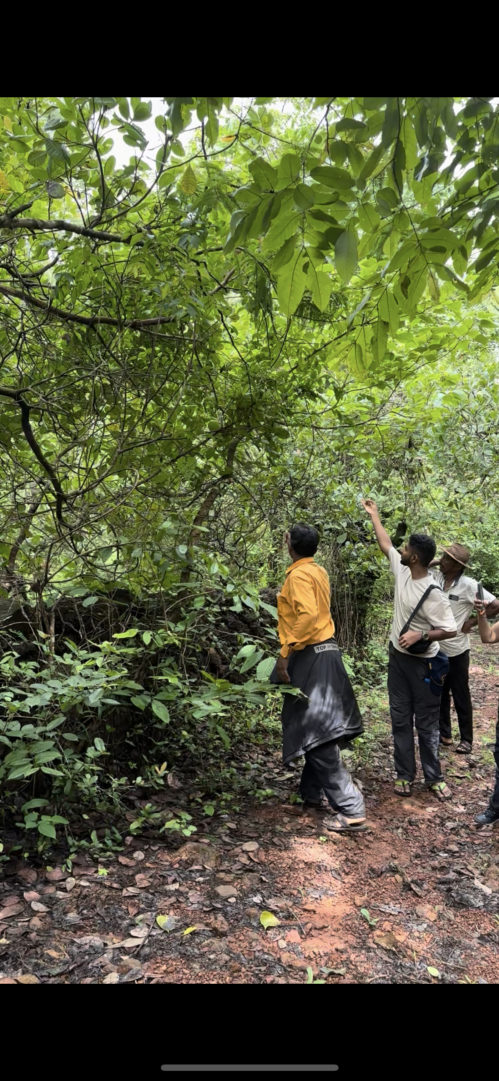
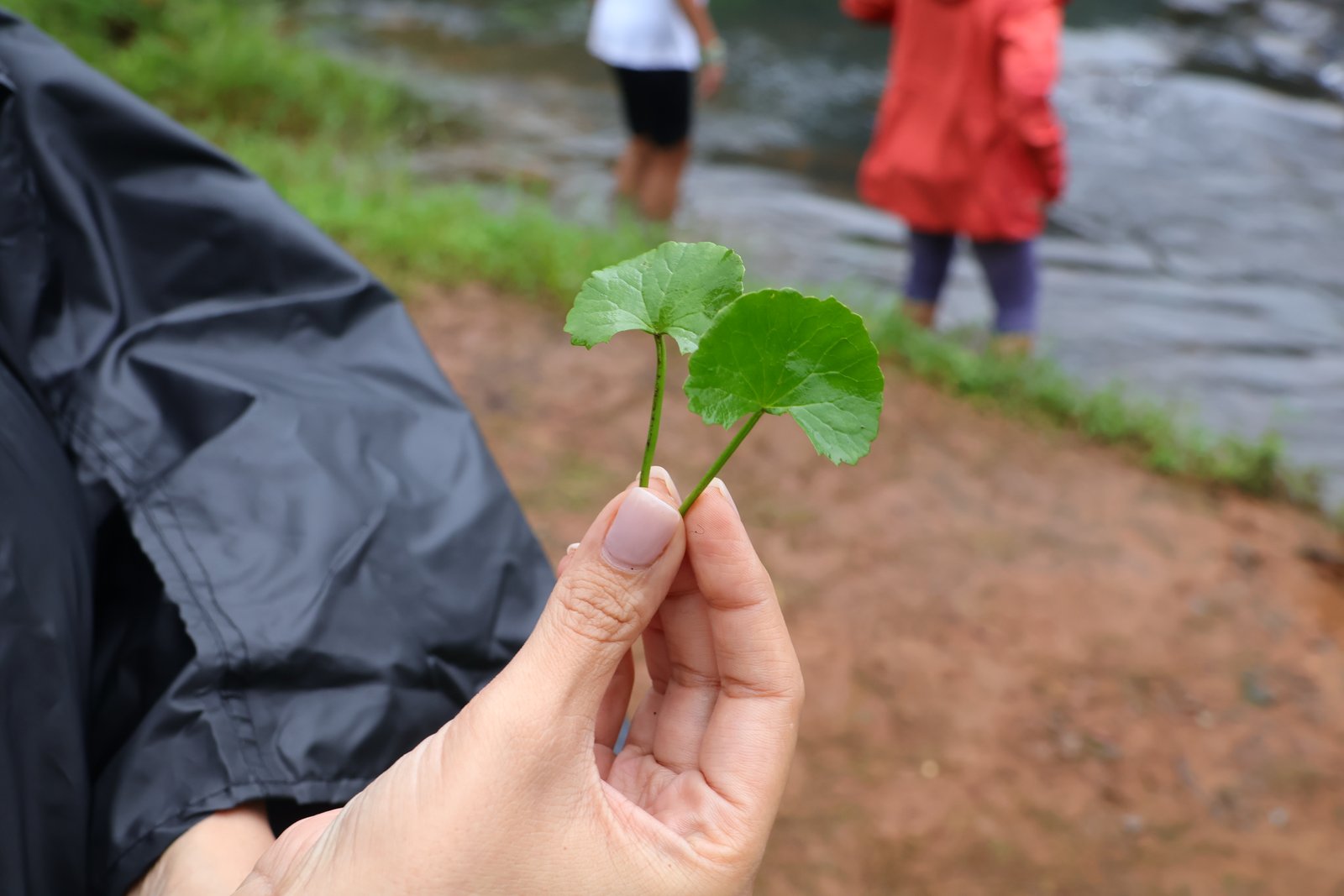
You’ll begin with a slow morning forage, learning how to recognise seasonal edible plants, where they grow, how local communities identify them and how they are traditionally harvested and used. The walk isn’t about collecting as much as possible. It is about learning to notice what has always been growing around us.
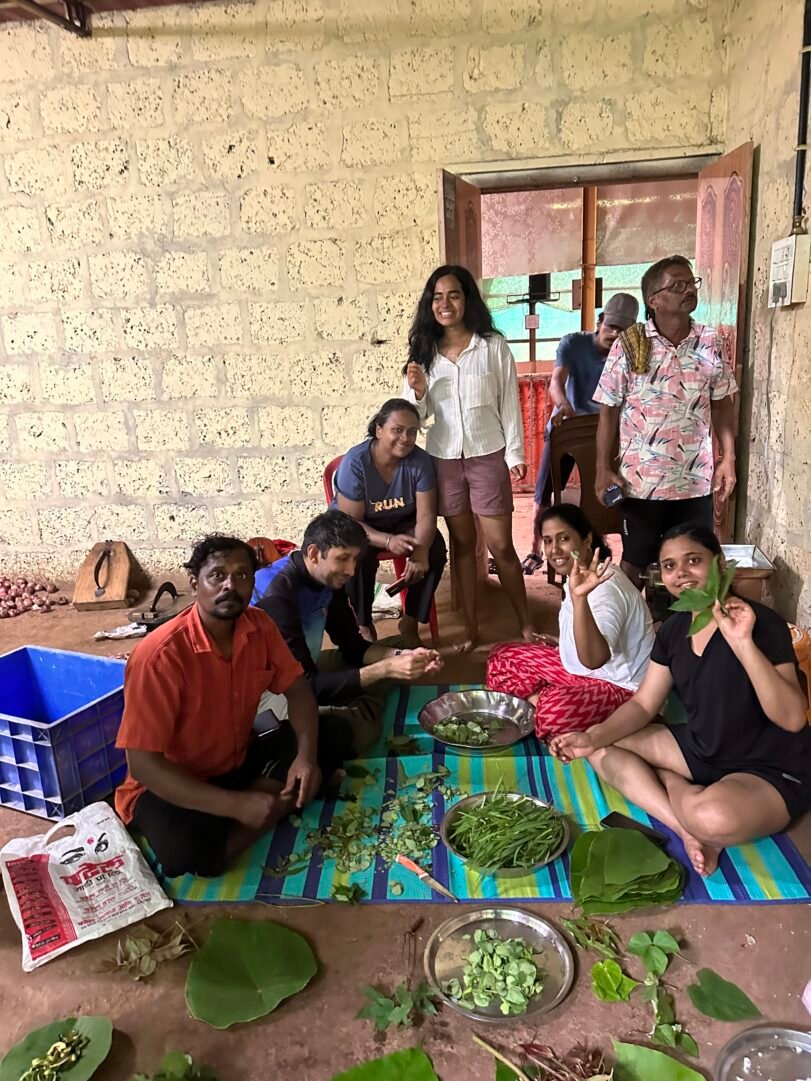
Back in the village, the day’s finds become part of the next stage of the experience. Depending on the format, we can cook together at a nearby local kitchen using the seasonal produce we’ve discovered.
From forest to kitchen, you get to follow the ingredient all the way to the plate.
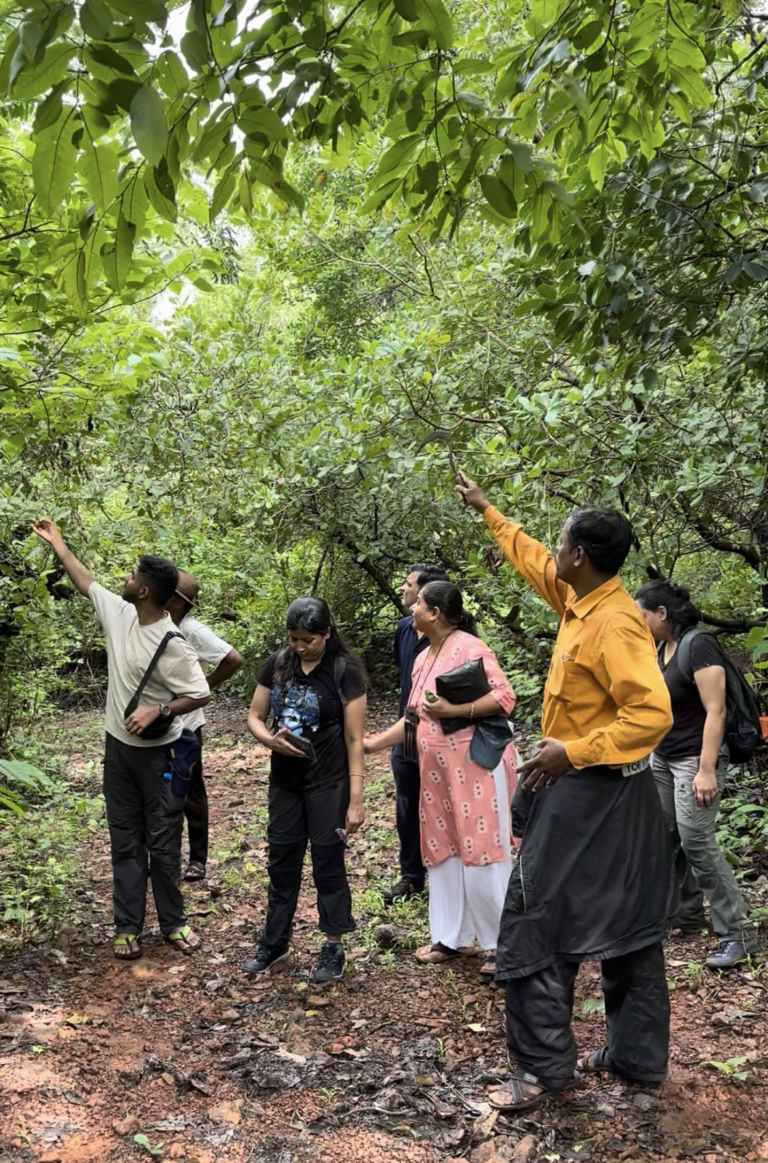
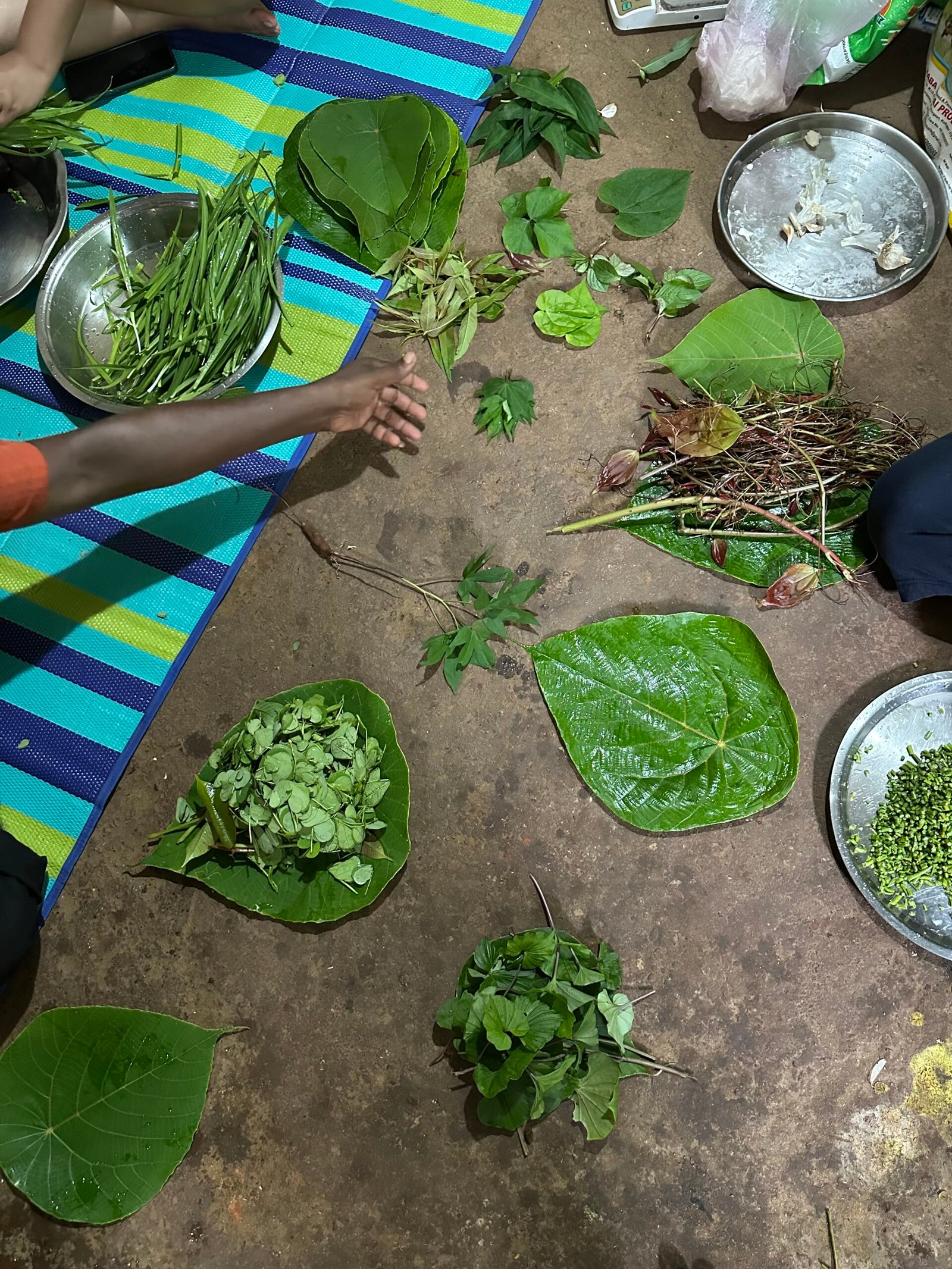
Learn to identify seasonal wild vegetables, native greens, roots, shoots and other edible plants with someone who knows the local landscape.
Discover what grows in different seasons, how people recognise edible plants, and the knowledge traditionally associated with them.
Where appropriate, we’ll collect a small quantity of suitable seasonal produce for the cooking experience. The emphasis is on responsible harvesting, not extraction.
Take the ingredients back to a local kitchen or rustic cookout and see how they become part of a meal.
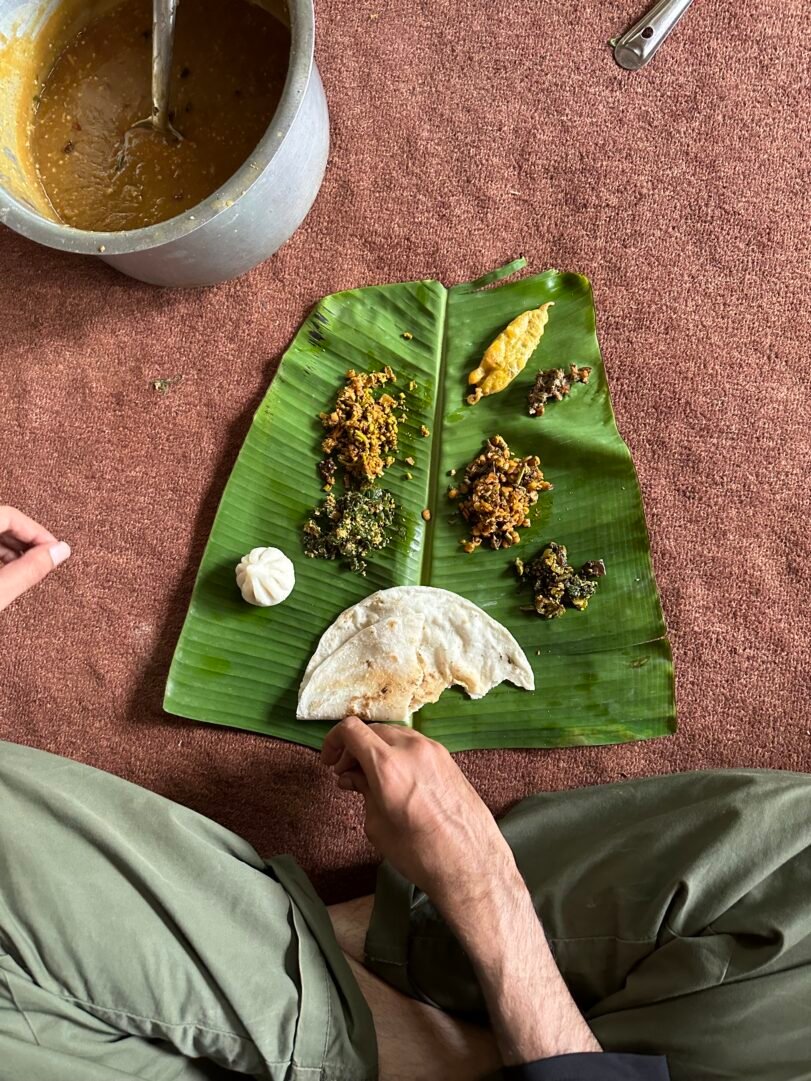
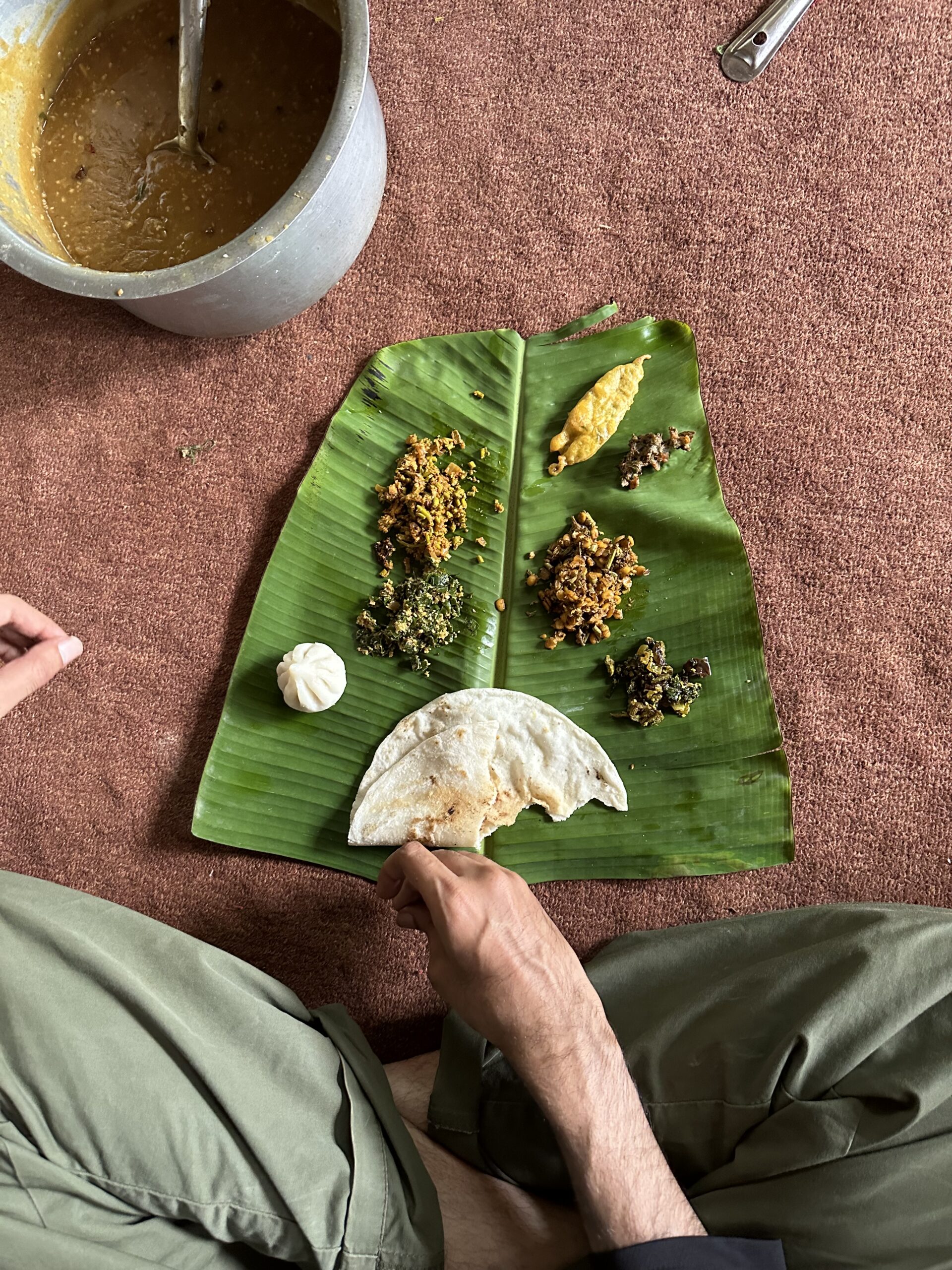
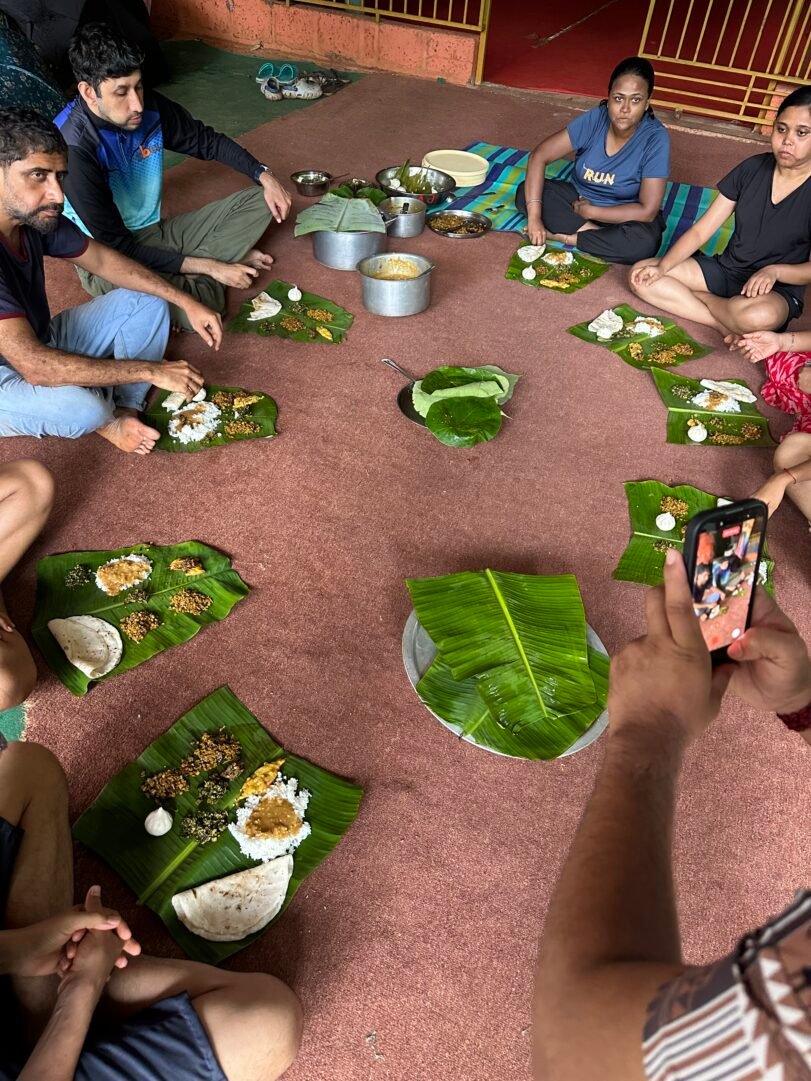
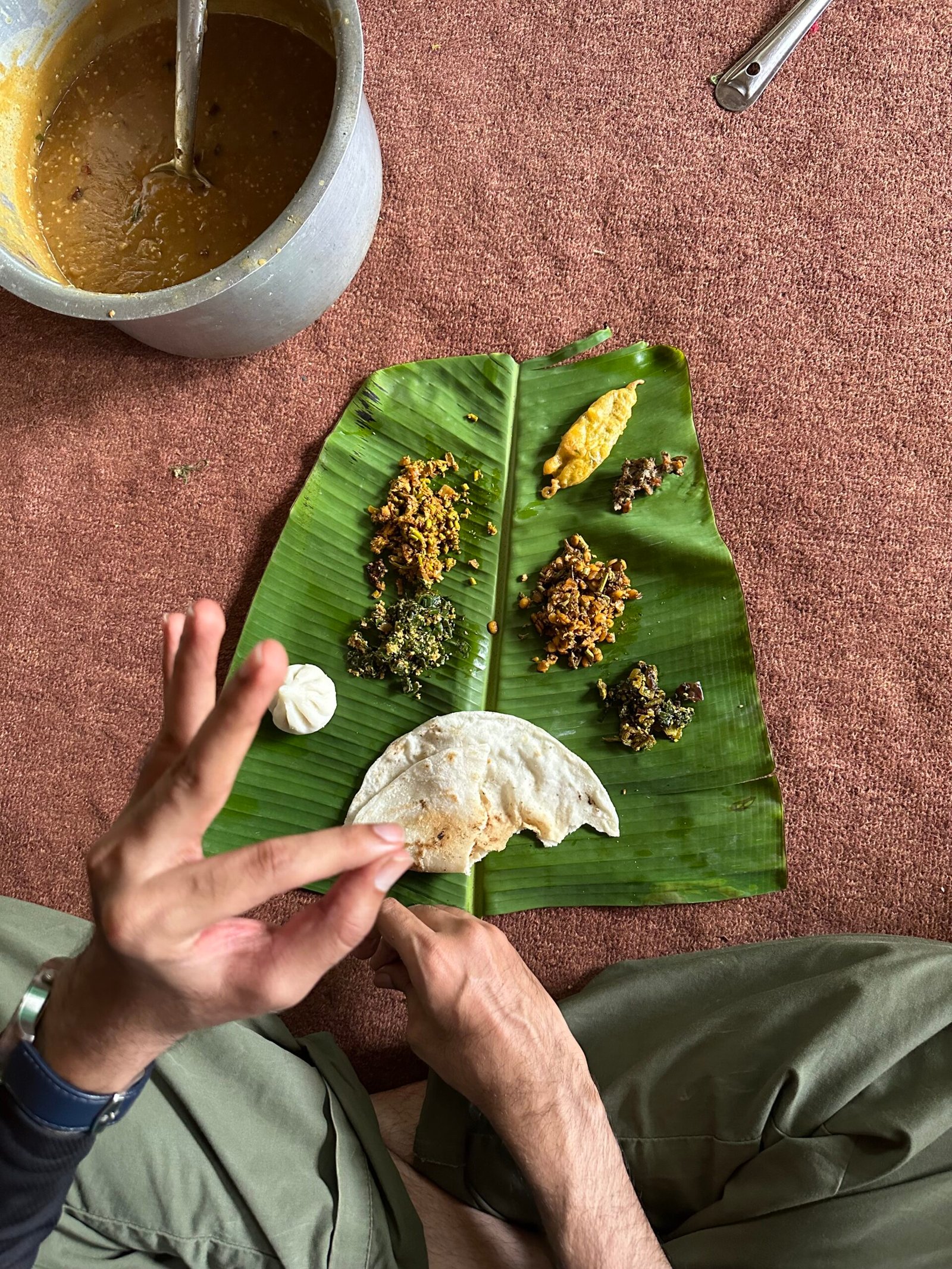
Finish with a simple regional meal connected directly to the landscape you have just explored.
Most of us encounter food after it has already been cleaned, packed, transported and placed on a shelf.
Forest to Fork takes you a few steps back.
Where does it grow?
Who knows it?
When is it available?
How is it harvested?
Why do people eat it?
And what does it become in the kitchen?
But there’s another question we want to explore:
Our food traditions have changed over time. Some ingredients that now feel deeply regional became part of Indian kitchens only in the last few centuries, while many native forest foods have become less common in everyday diets.
What did people eat before chillies, tomatoes, potatoes and other now-familiar crops became part of the plate? What did the forest provide? Which greens, roots, shoots, fruits and flowers were gathered seasonally? What did they taste like? And why were some of these plants valued not just as food, but for their traditional medicinal uses?
Across the Western Ghats, ethnobotanical research has documented extensive knowledge of wild edible plants and their culinary and medicinal uses, while also noting that this knowledge is increasingly being lost or marginalised.
The forest has long been a source of seasonal food and traditional plant knowledge. Some of that knowledge is still alive in village homes. Some is becoming harder to find.
Forest to Fork is an attempt to go looking for that knowledge with the people who still remember it.
No. You don’t need to know your plants. You just need to be curious.
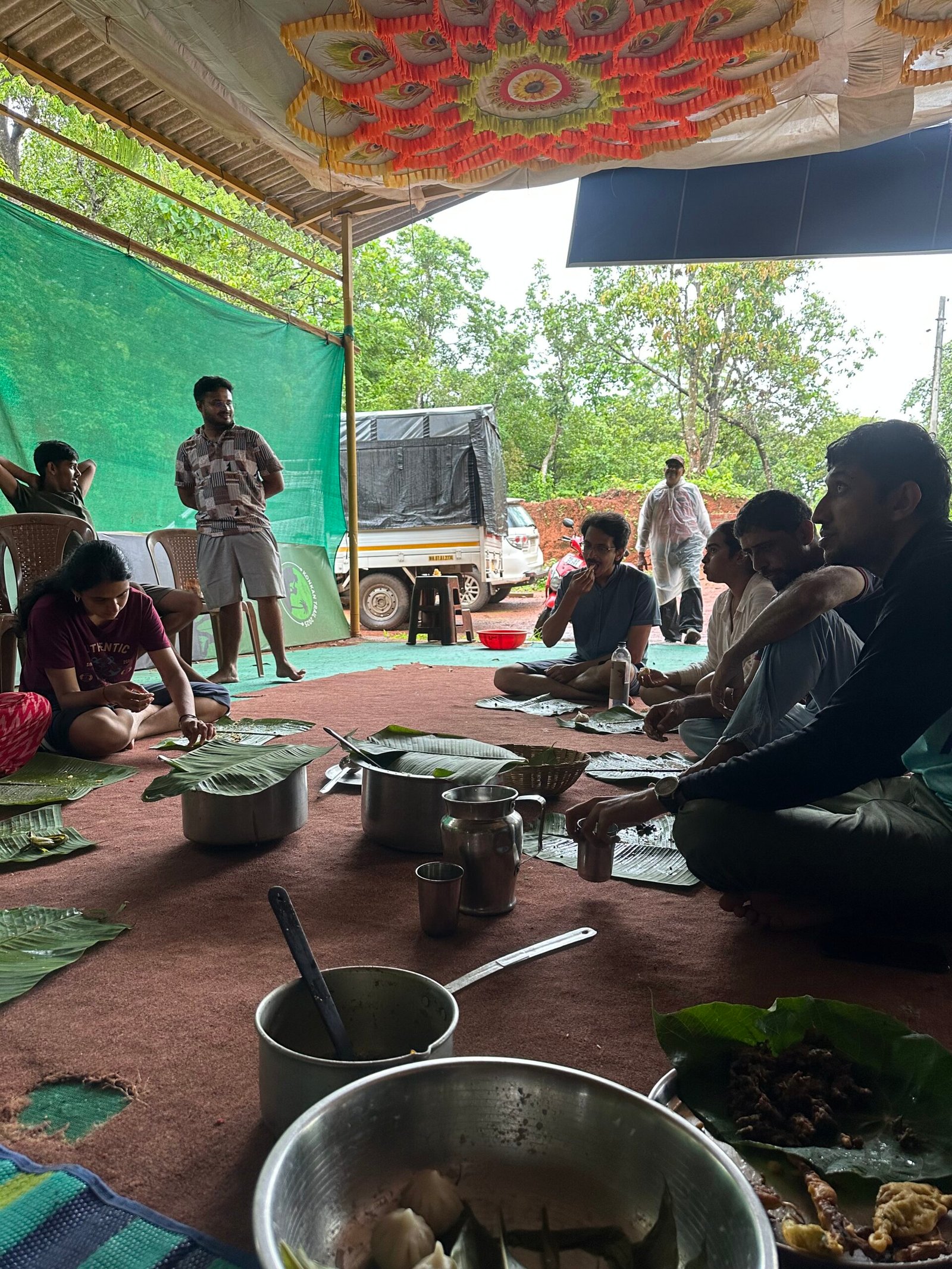
Back in the village, the day’s finds go into the cooking. Depending on the format, we cook together at a nearby local kitchen or a rustic cookout, then sit down to a simple regional meal.
Yes. Experiences can be booked on their own, but they need advance booking. Book at least 7 days ahead for confirmed availability. With shorter notice we’ll try, subject to availability.
“The first step in solving a problem is recognizing there is one” ~ Will McAvoy
Talk to us..